Aug 4 (Reuters) – Brazil’s Petrobras is reassessing a major natural gas infrastructure investment in Brazil amid regulatory uncertainty surrounding a proposed government program that could also impact a project by Norway’s Equino, sources told Reuters.
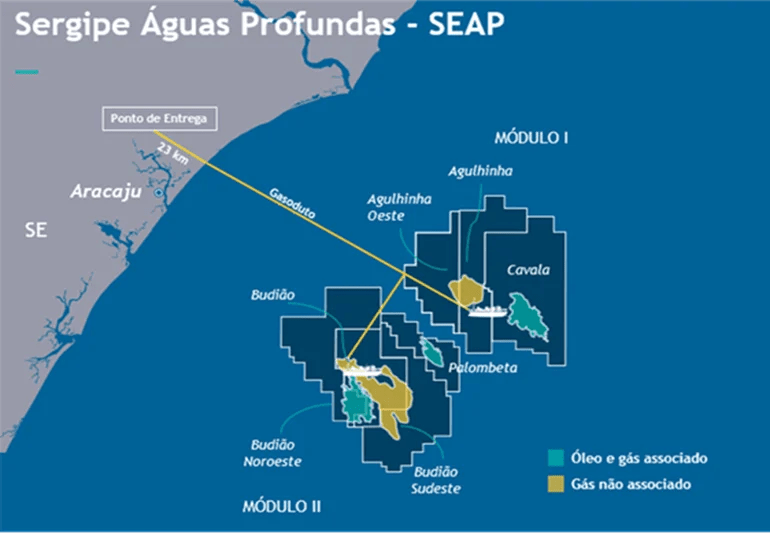
The proposal led Petrobras to halt studies for a planned $1 billion gas pipeline linked to its deep waters project in Brazil’s northeastern Sergipe state, said three sources.
Equinor’s Raia project in the Campos Basin, expected to start operating in 2028, could also be impacted if the program is enacted, said an industry source.
The government proposal, which Brazil’s energy regulator ANP is expected to discuss on Friday, would require large producers to make part of their gas available to third parties via auctions, in an effort to boost competition and lower prices.
Details of ANP’s draft regulation are set to be unveiled on Friday, when the regulatory body opens a period for consultation with stakeholders, after which ANP’s board of directors will hold a vote. Implementation could happen as soon as next year, after a final version is reached.
“Who would authorize a $1 billion pipeline investment without assurances that their rights are protected?” said a source, who requested anonymity because the discussions are sensitive.
Petrobras did not reply to a request for comment.
Equinor said regulatory predictability and stable rules are essential for investments requiring billions of dollars and development timelines exceeding a decade.
The Petrobras pipeline is intended to transport gas from two planned floating production units in Sergipe to shore. Petrobras expects the units to process up to 22 million cubic meters of gas and 240,000 barrels of oil per day, with first oil expected in 2030.
Equinor’s Raia project is designed to produce 16 million cubic meters of gas per day, meeting roughly 15% of Brazilian demand, and includes a pipeline to Macae in Rio de Janeiro state.
Keeping gas prices low for consumers and industry has been a major concern of President Luiz Inacio Lula da Silva’s administration.
The sources said the proposal would not increase overall gas supply, but would merely redistribute volumes among market participants while creating uncertainty over project returns.


Leave a comment