May 6 (Reuters) – Equinor missed quarterly cash-flow forecasts on Wednesday, hitting its shares even as the Norwegian oil major posted its strongest profit in three years on record output and Iran war-driven price gains.
Shares in the majority state-owned group were down 7.6% at 0911 GMT, underperforming a 2% drop in European energy stocks, though they remain up more than 50% year to date.
Adjusted earnings before tax for January-March rose to $9.77 billion, the highest since the first quarter of 2023, from $8.65 billion a year earlier, beating the $9.0 billion forecast in an Equinor-compiled analyst poll.
Cash flow from operations after tax fell 19% to $6.0 billion, missing expectations of $7.3 billion. Equinor said the shortfall was partly due to higher collateral requirements for energy trading amid volatile markets.

The company said disruption to global energy flows from the U.S.-Israeli war with Iran and the closure of the Strait of Hormuz was likely to persist well beyond any end to hostilities.
“If this stops now, we think there at least will be around six months plus before everything is back to normal,” CEO Anders Opedal told Reuters on the sidelines of a company presentation.
TOO SOON TO TALK ABOUT EXTRA BUYBACKS, DIVIDENDS
Equinor reiterated its February decision to cut share buybacks by 70% to preserve cash and kept its regular quarterly dividend unchanged at $0.39 per share, despite the prospect of windfall profits from Middle East supply disruptions.
Opedal said cash flow could rise by as much as $8 billion this year, but added it was too early to say whether buybacks would be increased or special dividends announced, citing continued price volatility.
The company, which is due to present a strategy update next month, may revisit capital distributions later in the year, he said.
While Equinor has followed BP in sticking to a pared-back buyback programme, European peers TotalEnergies and Eni have increased payouts.
Equinor’s downstream division, which includes energy trading, reported a profit of $787 million, beating analysts’ expectations of $693 million and the unit’s long-term quarterly guidance of $400 million.
Brent crude futures have surged above $100 per barrel since the Iran war began, after trading between $60 and $70 for much of the past year.

Europe’s benchmark gas price is also about 50% higher, with Qatari liquefied natural gas shipments disrupted.

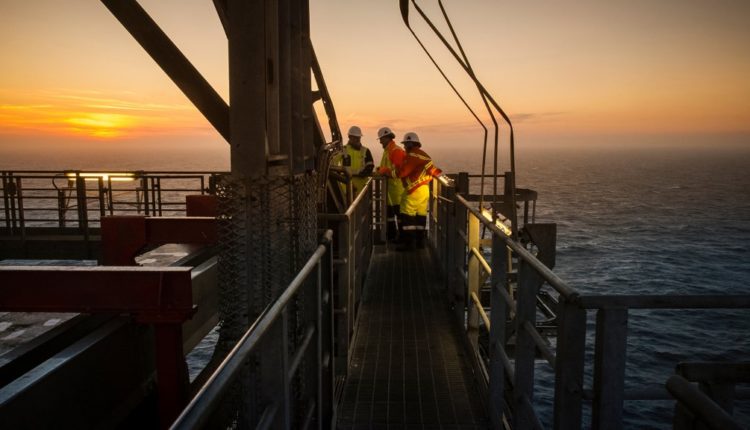
Equinor produced a record 2.31 million barrels of oil equivalent per day in the first quarter, up from 2.12 million a year earlier and above the 2.22 million forecast by analysts.


Leave a Reply