(epbr) Recently privatized, Eletrobras plans hybrid plants with floating solar generation in reservoirs
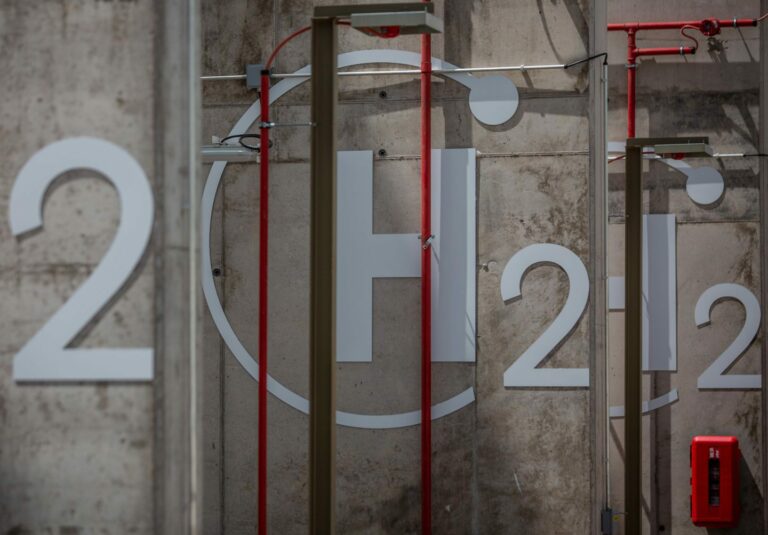
“The fuel of the next decade will most likely be hydrogen. And the hydrogen that will be most valued in the world is the green one”, declared Wilson Ferreira Júnior, president of Eletrobras.
During an event on green freight this morning, the executive said that Brazil’s predominantly renewable electricity matrix puts the country in an advantageous position to produce fuel from electrolysis.
Green hydrogen is produced from a process that uses water and renewable electricity to separate the H2 molecule.
The Brazilian electricity matrix today has around 186 GW, of which 155.6 GW, or 83%, comes from renewable sources – hydroelectric, wind, solar and biomass.
The potential, however, is much greater. According to Ferreira Júnior, in onshore wind power alone, the generation potential reaches 400 GW. “In solar, you can’t even calculate,” he says.
According to the CEO, the generation, transmission and distribution holding company is considering all this potential and plans to install floating solar plants on the reservoirs.
“We have reservoirs, we have the transmission lines installed and we are going to take advantage of a part of this reservoir to put floating solar and create the plants of the future, which are hybrid plants”, he says.
“This solar generation can feed the electrolysis processes and we will have the cheapest green hydrogen in the world”, he adds.
Investment Attraction
“A good part of the solution to our problems is linked to the ability to attract investment”. Ferreira Júnior says that the privatization and restructuring of Eletrobras made the company’s value jump from R$9 billion in 2016 to R$105 billion today, and the investment capacity is over R$12 billion.
“We have created a corporation that will, in five years or less, be the largest renewable energy company in the world.”
Hydrogen in the Amazon
Eletrobras’ subsidiary, Eletronorte announced at the end of September the selection of five proposals for the program that will allocate R$ 12 million to the financing of development research at the Balbina Hydroelectric Power Plant, located in the state of Amazonas.
With the support of Senai, the industrial innovation projects will explore the Amazon potential in the production of green hydrogen, with a focus on the application of solar energy.
Those selected will take advantage of solar panels and natural resources in the region for the production of H2V, complementing the plant’s water supply.
Inaugurated in 1989, the Balbina hydroelectric plant is one of the least efficient in Brazil in terms of flooded area for each megawatt generated — the dam has an installed capacity of 250 megawatts and floods an area of 2,360 square kilometers. The hydroelectric plant was once responsible for 80% of the energy generated for Manaus and today covers 17%.
 Brazil Energy Insight
Leave a comment