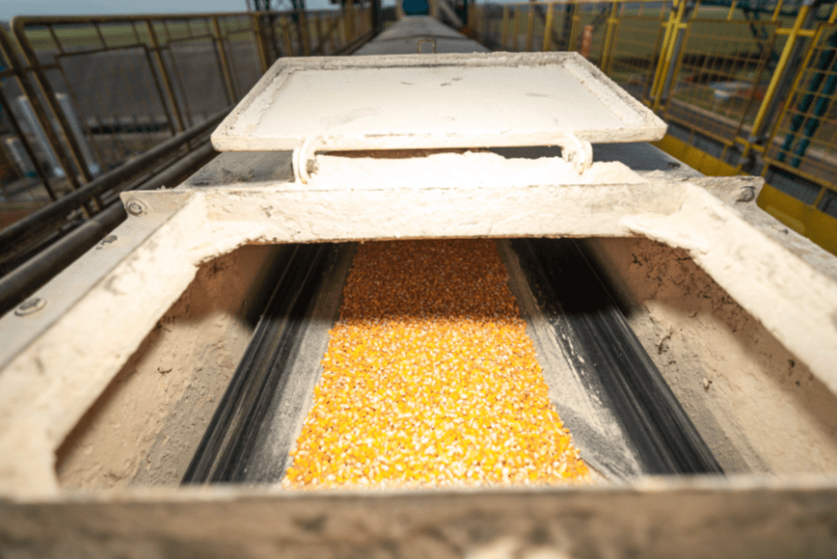
November 23 – Petrobras’ Board of Directors approved the acquisition of a 42% stake in Neomille S.A., a corn ethanol producer belonging to Cerradinho Group. With an investment of BRL 2.8 billion, the acquisition embodies one of the strategies in Petrobras’ Business Plan, which calls for involvement in the production and marketing of low-carbon fuels. The stake in Neomille S.A. includes two plants – one in Chapadão do Céu (Goiás) and the other in Maracaju (Mato Grosso do Sul) – with an ethanol production capacity of 800 million liters per year, which could reach 1.5 billion liters per year after expansions.
“The energy transition calls for an increasingly diversified portfolio capable of combining oil and gas production with the development of renewable and low-carbon fuels. “Entering the ethanol sector is an important step in building the capabilities, partnerships and business opportunities that will help keep Petrobras relevant in the energy supply over the coming decades,” said CEO Magda Chambriard.
In addition to providing for active participation in the management of Neomille, the agreement will enable Petrobras and the Cerradinho Group to strengthen their commercial relationships on several fronts involving ethanol, technical corn oil (TCO), diesel, urea and sulfur.
“We’re not just contributing financial resources. We will create value, share expertise and identify opportunities for integration with Petrobras’ various businesses. “By connecting biofuel production, logistics, marketing and new low-carbon fuel pathways, we are reinforcing our integrated and competitive strategy for the energy transition,” said William Nozaki, Petrobras’ Chief Energy Transition and Sustainability Officer.
Synergies that strengthen Petrobras’ strategy
One of the main synergy opportunities is associated with SAF projects. The ethanol produced could eventually be used as a feedstock for sustainable aviation fuel (SAF) production via the Alcohol-to-Jet (ATJ) pathway, while corn oil, a coproduct of the industrial process, could be used in the Hydroprocessed Esters and Fatty Acids (HEFA) pathway, the most widely used technology for SAF production. This complementarity creates a natural hedge between the production of feedstocks and future demand for sustainable fuels.
The transaction also reinforces the company’s logistics strategy. Petrobras recently announced the acquisition of 100% of Logum, giving it full control of the company responsible for the country’s main ethanol pipeline infrastructure. The integration of production and logistics assets increases the potential for efficiency in the distribution of production, strengthens Petrobras’ presence in Brazil’s main ethanol logistics corridor and creates opportunities for future infrastructure expansions.
Another significant opportunity lies in expanding the relationship with agribusiness. Petrobras’ presence in the corn ethanol segment brings it closer to major clients.
The initiative also opens up prospects for the development of new businesses related to decarbonization. The ethanol production process generates biogenic CO₂, a raw material that can be used in future synthetic fuel pathways and other low-carbon energy solutions, increasing the utilization of resources generated throughout the production chain.
Finally, this acquisition reinforces Petrobras’ commitment to a just, responsible energy transition aligned with the needs of Brazilian society, combining value creation, energy security and sustainable development.


Leave a Reply