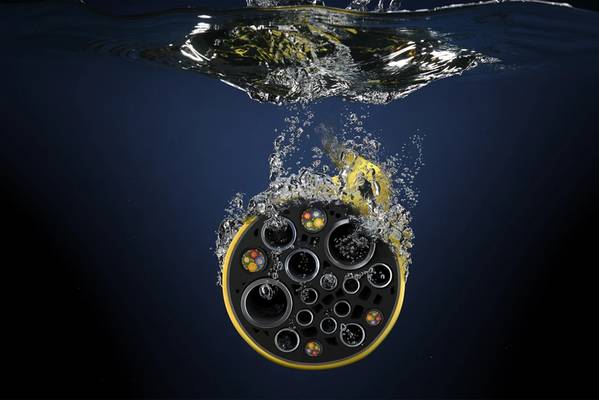
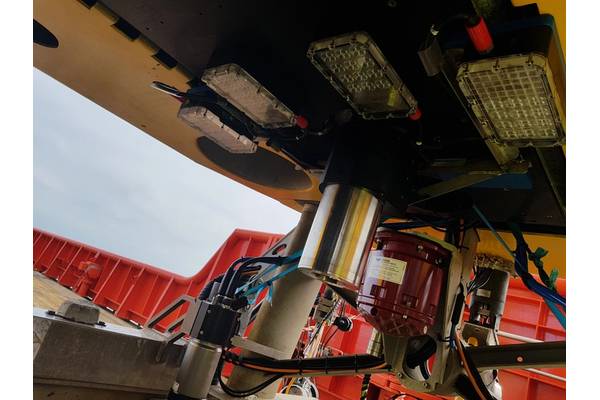
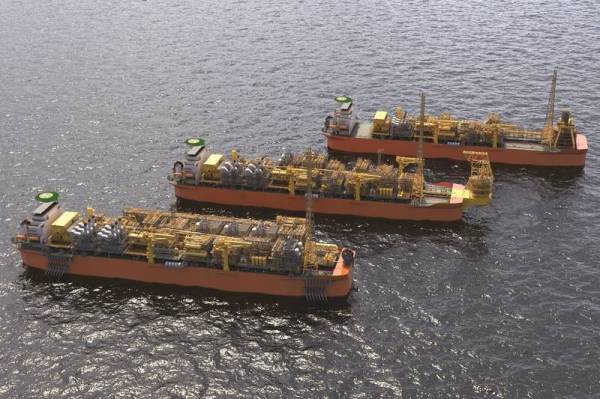
Sandvik reports it has won the first large-scale stainless steel umbilical tube order in Brazil’s pre-salt Mero oilfield. Mero is an expansive pre-salt oilfield in the Santos Basin offshore Rio de Janeiro with immense oil production potential. The Mero oilfield is being managed by the Libra Consortium, made up of a partnership between Petrobras, Total,... Continue Reading →
Wood to deliver engineering design for Chevron’s Gulf of Mexico project
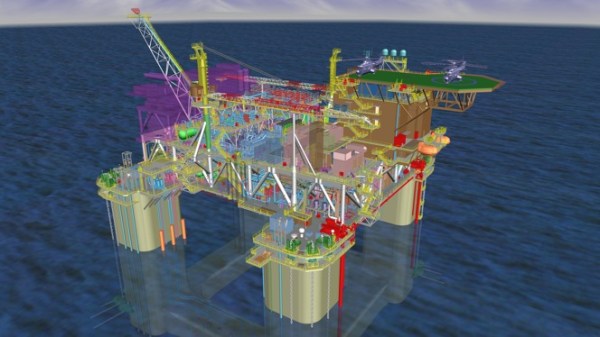
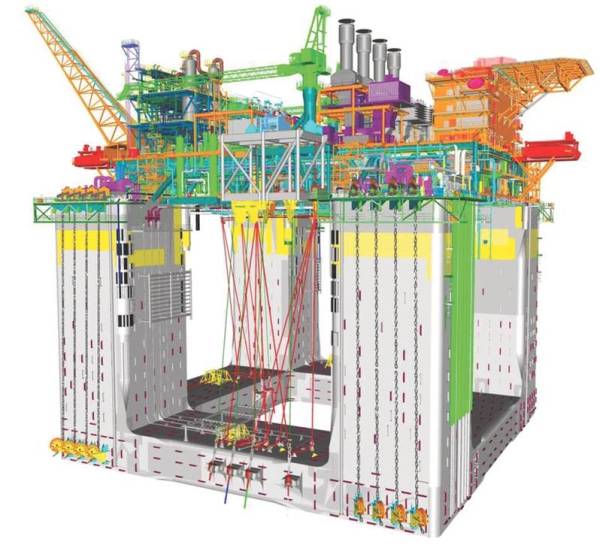
Oilfield services company Wood is delivering a multimillion-dollar engineering design project for Chevron’s Anchor deepwater development in the Gulf of Mexico. The scope of the project included the preliminary, front end engineering and design (Pre-FEED), FEED and now entails detailed design of Anchor, a wet tree development that will employ a semi-submersible floating production unit... Continue Reading →
Xodus anticipates unprecedented decline in oil and coal, rise of gas
International energy consultancy Xodus Group has launched a new analysis showing that a rapid pivot to gas would be required to deal with rising global energy demand. Xodus said on Friday that, in contrast to some recent future energy scenarios, it believed worldwide energy consumption would continue to increase, driven by economic growth in developing... Continue Reading →
FPSOs: The New Business Model
As New Year 2020 unfolds, there are 21 floating production, storage and offloading units (FPSO) on order, and unlike a year ago, these — and not floating liquefied natural gas (FLNG) — are the unheralded story. Driven by a decent price for oil, this buoyant market is kept strong by new players, new business models... Continue Reading →
Pipeline IMR: An All-seeing Eye
There are surveys, and then there are surveys. For survey-tech outfit, Ecotone, the business model is offering a faster, digital way to monitor the health of seabed environments and offshore infrastructure. There’s enough to do with Norway set to invest $4.89 billion in pipelines in 2020 to add to thousands of kilometers of pipe worldwide.... Continue Reading →
Keppel Breaks FPSO Conversion Record
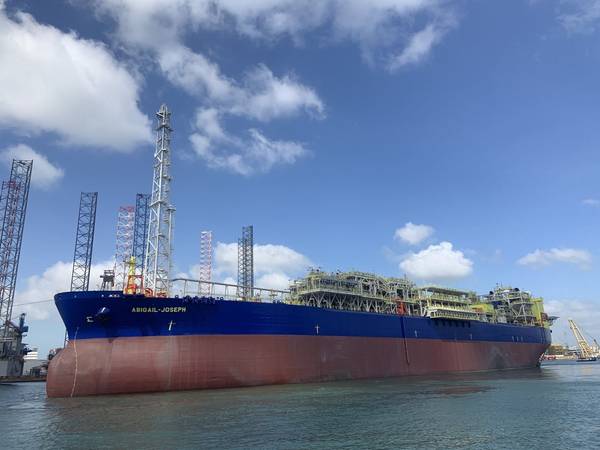
Singapore's offshore facilities builder Keppel has said it has delivered "the world’s fastest brownfield Floating Production Storage and Offloading vessel (FPSO) modification and upgrading project." Named FPSO Abigail-Joseph, the vessel was delivered to Malaysia's Yinson Holdings. According to Keppel, it took it seven months to complete the project. Continue reading
Fit for Life: Mature Fields
As the world continues to demand energy sources, there is mounting pressure on hydrocarbon producers to find new reserves and extract more from existing assets. In recent years, the industry has made noticeable advancements in recovery techniques, using efficient technology to extend the life of mature fields. As these facilities are extended beyond their original... Continue Reading →
DNV GL, MSC Team-Up to Speed Up Offshore Engineering Projects
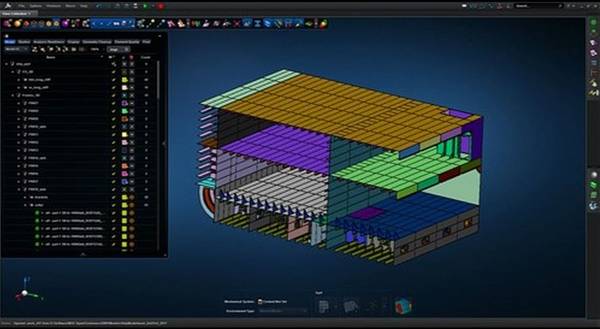
Global classification society and digital solutions provider DNV GL has teamed up with MSC, a provider of Computer-Aided Engineering (CAE) simulation software and services, to improve the productivity of engineers working on maritime and offshore engineering projects. The team-up is set to increase the productivity of engineers using DNV GL’s Sesam design and simulation software... Continue Reading →
Floating Production: The Next Chapter
The market for floating production, storage and offloading units (FPSO) is heating up. Séverine Baudic, SBM Offshore’s Managing Director for Floating Production Solutions, weighs in on the strategic initiatives and technological innovations helping the company to secure contracts for some of the world’s most complex deepwater projects. When it comes to reducing lead times and... Continue Reading →
How cloud-based computing is transforming subsea survey
Digitalization has revolutionized the world, and hydrographic survey techniques are no exception. While advances in mechanical design have enabled the survey of increasingly remote locations, electronics and digital processing techniques have dramatically increased resolution. Where once a few spot soundings were considered enough to make a chart, today’s survey vessels generate vast amounts of data... Continue Reading →