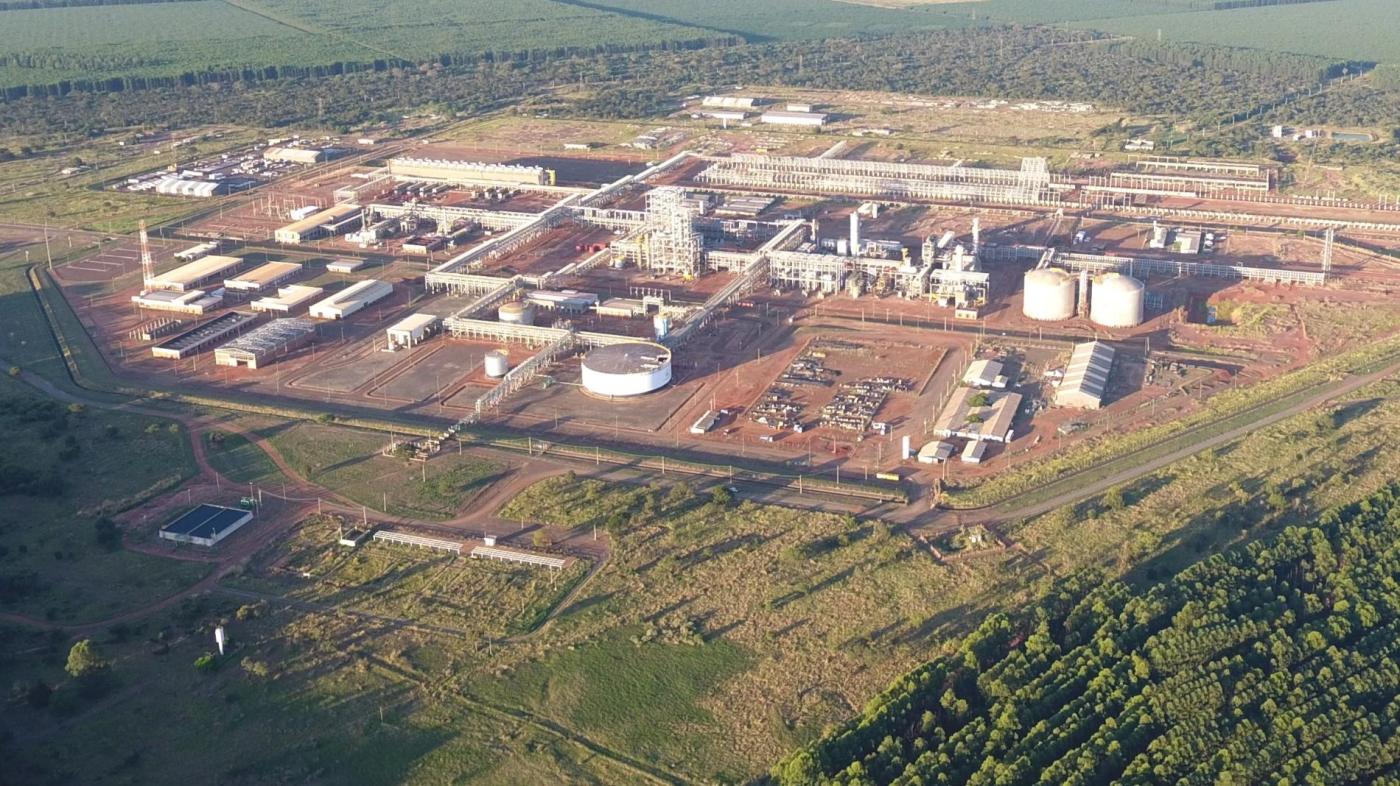
April 13, 2026 – Petróleo Brasileiro S.A. – Petrobras, following up on the announcement of October 25, 2024, informs that its Board of Directors has approved the resumption of construction of the Nitrogen Fertilizer Unit (UFN-III), located in Três Lagoas (MS). The decision is based on a thorough reassessment of the project, aligned with the guidelines of the company’s Business Plan 2026-2030.
The economic attractiveness of the asset was confirmed, attesting to its feasibility (positive Net Present Value, or “NPV”) in all scenarios considered by the company’s investment approval system. The estimated investment for the completion of UFN-III is approximately US$ 1 billion, with the start of commercial operations scheduled for 2029.
The entire final investment approval process underwent the required analyses, strictly adhering to corporate governance practices and current internal regulations. With the final decision by Petrobras’ competent authorities, the company will proceed to the final contracting phase and subsequent signing of contracts, with construction expected to resume in the first half of 2026.
The unit had been mothballed since 2015, and in 2023, Petrobras decided to return to the fertilizer segment, as per the Business Plan in effect at the time. The return to investments in this segment was based on technical and economic feasibility studies, aiming to expand the company’s gas market and contribute to reducing Brazil’s dependence on fertilizer imports.
About the UFN-III Project
The nominal capacity of UFN-III is projected at approximately 3,600 tons per day of urea and 2,200 tons per day of ammonia, of which 180 tons are surplus and available for sale. The unit is strategically located, adjacent to the largest consumer markets for these products, with its production primarily destined for the states of Mato Grosso, Mato Grosso do Sul, Goiás, Paraná, and São Paulo. This position ensures greater reliability in meeting the growing demand for urea fertilizer in the country.
The project incorporates modern equipment and state-of-the-art technologies, resulting in high levels of industrial efficiency.
Ammonia serves as a key raw material for the fertilizer and petrochemical sectors. Urea, in turn, stands out as the most in-demand nitrogen fertilizer in Brazil, with national consumption around 8 million tons per year. Agribusiness absorbs this volume in crops such as corn, sugarcane, coffee, wheat, and cotton, in addition to its use in livestock as a feed supplement for ruminants.


Leave a Reply