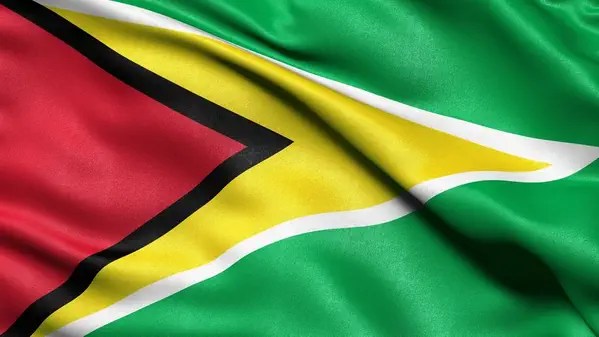
Jan. 6 (oilnow.gy) Guyana’s Minister of Natural Resources, Vickram Bharrat, has assured that offshore oil and gas exploration activities continue without a hitch. The assurance comes amid heightened geopolitical tensions in the region following the capture of Venezuelan President Nicolás Maduro by U.S. military forces over the weekend.
Bharrat confirmed to OilNOW on January 4 that there is “no disruption” to ExxonMobil’s operations in the Stabroek Block. Authorities are closely monitoring developments to safeguard Guyana’s energy sector and national interests.
On Monday, January 5, Maduro and his wife, Cilia Flores, entered not guilty pleas to several charges in their first court appearance in New York after being captured in a US military operation on January 3.
The Venezuelan leader and his wife were flown out of the country as part of a “large-scale U.S. strike”, President Donald Trump reported on the Truth Social network last weekend.
The developments triggered security responses across the region, particularly in Guyana. Back in March 2025, Guyana deployed air assets and mobilised its Coast Guard in the exclusive economic zone (EEZ) after a Venezuelan navy ship entered the area. The country has been on high alert since then.
In an address to the nation on December 3, Guyana’s Commander-in-Chief, President Dr Irfaan Ali, assured Guyanese that the country’s security mechanisms are fully mobilized and the government is closely monitoring developments in the Spanish-speaking nation.
Guyana and Venezuela are currently embroiled in a territorial controversy with an ongoing case at the International Court of Justice (ICJ). The case centers on the 1899 Arbitral Award, which legally determined the boundary between the two countries. Venezuela, after accepting the boundary for decades, declared the award null and void in 1962 and has since claimed over two-thirds of Guyana’s territory in the Essequibo region.
Guyana initiated legal proceedings at the ICJ in 2018, following UN Secretary General António Guterres’ determination that judicial settlement was the best path forward. The ICJ subsequently ruled it had jurisdiction over the case in 2020, rejecting Venezuela’s objections.
 Brazil Energy Insight
Leave a comment