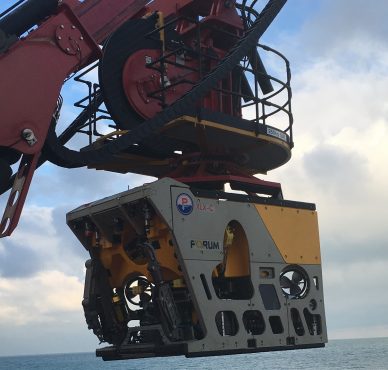
Nov. 11 (offshore-energy.biz) How smarter ROV deployment starts with smarter, real-time sea state measurement.
The deployment of remotely operated vehicles (ROVs) is one of the most critical and riskiest activities in offshore operations. These subsea systems are essential for tasks such as inspections, repairs and construction in challenging underwater environments.
But when it comes to deployment, timing is everything. Deploying ROVs at the wrong moment can lead to equipment damage, costly downtime and even safety risks.
Traditionally, offshore teams have relied on experience, weather forecasts and careful planning to mitigate these risks. While this approach provides a margin of safety, it often creates inefficiencies, idle equipment and inflated costs. The growing availability of real-time sea state monitoring and predictive analytics is now transforming how operators plan and execute ROV operations, offering a balance between safety and efficiency.
Deploying at the right place and the right time
When deploying ROVs offshore, a range of technical, operational, and environmental factors must be considered. This includes ROV type, health and safety protocols, personnel ability and underwater visibility. Without a doubt, the most important consideration is the sea conditions at the time of the intended deployment.
If an ROV is lowered into the sea when a wave exceeds safe limits, there is an increased risk of collision with the vessel due to loss of control of the ROV, vessel motion and strain on the umbilical that connects the ROV to the ship.
Read full article: https://www.offshore-energy.biz/turning-the-tide-on-rov-deployment-with-sea-state-insights/


Leave a comment