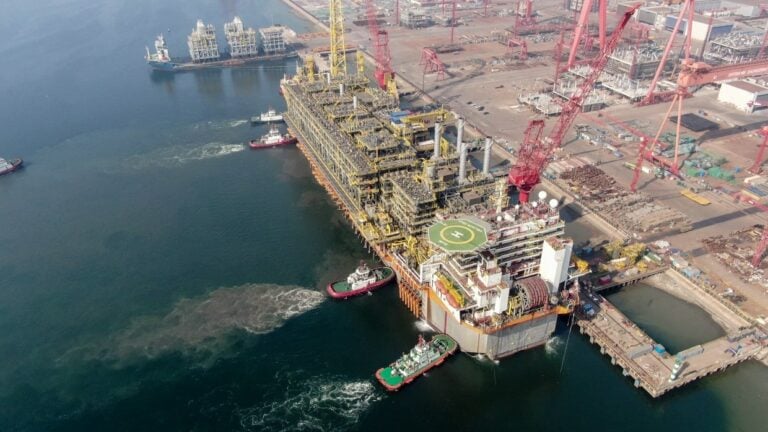
(PN) The FPSO market saw a 50% increase in investments — from US$6 billion to US$9 billion — related to the surface capital of new projects in 2023, a trend that is expected to continue in 2024. The data was presented this week by Rystad Energy. This growth is largely concentrated in South America, especially in Guyana and in Brazil’s pre-salt fields, regions that are seeing some of the largest FPSO projects due to the significant oil reserves in their deepwater offshore fields. Several new FPSO contracts have been awarded and many vessels are now under construction. This includes large FPSOs with production capacities exceeding 200,000 barrels per day, which will significantly increase global oil production.
“Over the decade, CAPEX for FPSOs is expected to exceed USD 70 billion, with approximately 85% of this allocated to projects in South America, Africa and Asia,” says Rystad Energy’s Head of Offshore Services, Oddmund Føre. The scale of FPSO projects planned in these regions highlights their strategic importance in the global energy landscape. More than 90 FPSO projects were expected to be approved between 2021 and 2030, underlining the growing reliance on these floating production units in the global oil and gas industry.
As offshore oil and gas production expands, carbon dioxide (CO2) emissions are expected to grow by 27% from fields connected to FPSO infrastructure by 2030. This is a significant concern, especially as oil majors face increasing pressure to comply with environmental regulations and reduce their overall emissions. Several new technologies are being integrated into FPSOs to reduce carbon intensity.
“For example, combined-cycle gas turbines are being implemented to improve the efficiency of power generation by utilizing waste heat, and closed flare systems are recovering gas that would otherwise be flared and reinjecting it back into the production process. In addition, post-combustion carbon capture technology is gaining traction, although it faces challenges in terms of space and weight on the topsides of FPSOs,” explains Føre. The expert also says that the effort to reduce the carbon intensity of FPSO operations is crucial, not only for regulatory compliance, but also to ensure the long-term viability of offshore oil and gas production.
According to Føre, the FPSO sector is at a pivotal moment. “Investment is growing, especially in key regions such as South America, Africa and Asia, positioning these areas as key drivers of future oil production growth. At the same time, the industry is addressing the environmental impact of its activities,” he said.
Efforts to adopt decarbonization technologies and improve operational efficiency reflect the industry’s growing awareness of the need for sustainable practices. As the market continues to expand, the ability to balance production growth with environmental responsibility will define the future of FPSO projects worldwide.
 Brazil Energy Insight
Leave a comment