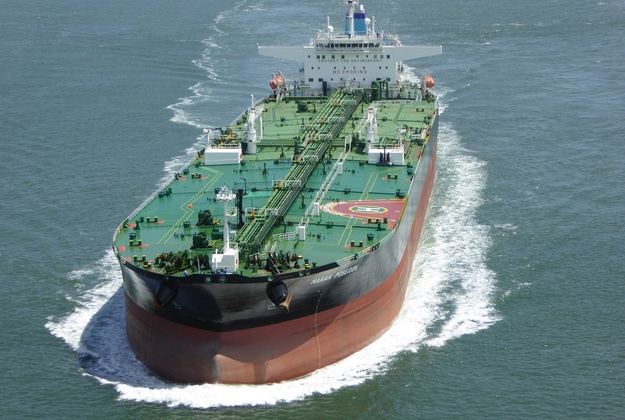
The exponential growth in pre-salt production, 240% since the first oil in the region, and the maintenance of refinery capacity generated a significant volume of surplus input, sold on the international market. The projection is for a continuous increase until 2030.
Brazil reached a historic milestone in its oil exports, reaching the highest volume in 23 years, according to data from the National Petroleum Agency (ANP), with records beginning in 2000.
Last year, under the management of Jean Paul Prates at Petrobras, witnessed a significant increase in oil sales abroad, driven by unprecedented production in the country and stable refining capacity.
At the same time, oil imports also grew compared to 2022, but showed a progressive slowdown, following the increase in the use of Petrobras refineries.
Experts attribute this trend to advances in pre-salt production and the characteristics of the Brazilian refining park. Furthermore, foreign oil companies contributed to the increase in exports by processing their shares of oil in external refineries.
The forecast for the coming years indicates an even greater acceleration in exports, in line with Petrobras’ investments in oil extraction.
However, a reduction in reserves and exports is expected from 2030 onwards, unless new exploration frontiers are discovered.
In financial terms, Brazil’s profits from international oil trade in 2024 are expected to remain stable, comparable to those in 2023.
The growth in exported volume must be balanced by the stability of oil prices.
Until November 2023, Brazil exported 538 million barrels, an increase of 25% compared to the previous year.
Since the first extraction of pre-salt oil in 2008, exports have grown 240%.
The Energy Research Company (EPE) projects a supply of 3.3 million barrels per day in 2023, with an expectation of expansion to 3.8 million in 2024. The refining park, on the other hand, is expected to grow stably.
The price of a barrel of oil is expected to remain high in 2024. Brazil’s revenue from oil exports from January to November 2023 was US$39 billion, an increase of 2.1% compared to 2022, according to the ANP. The trade balance was positive at US$30 billion.
During the first 11 months of 2023, Brazil imported 101 million barrels of oil, a volume 16% higher than the previous year, with a slowing trend throughout the year.
In summary, the Brazilian oil scenario in 2023 reflects a notable advance in exports, driven by robust production and strategies focused on expansion and modernization, despite future challenges and trends.
 Brazil Energy Insight