
http://www.ft.com/cms/s/0/57ed823e-a573-11e4-ad35-00144feab7de.html#ixzz3agWeGlOw
May 19, 2015 5:00 pm
Drill deeper than oil for Saudi prosperity
John Sfakianakis/FT
Important reforms centre on energy, which kingdom uses wastefully, writes John Sfakianakis
When your income is cut in half, it helps to have a few dollars on hand, but even then you will have to make changes. So it is in Saudi Arabia, whose main export — oil — fetches two-fifths less than it did a year ago. The choices now being made stand to alter the face of the kingdom.
The Saudis have amassed an enviable war chest since the last oil price slump ended at the turn of the century, recording a budget surplus in all but two of the years since 2001. Government debt has fallen from about 100 per cent of gross domestic product to almost nothing. Foreign exchange reserves are enough to satisfy import appetite for close to three years.
Still, something has to give. Saudi Arabia will register its first double-digit budget deficit this year. With the oil price seemingly stuck at $60-odd a barrel, businesses are watching for clues to what the government might do next.
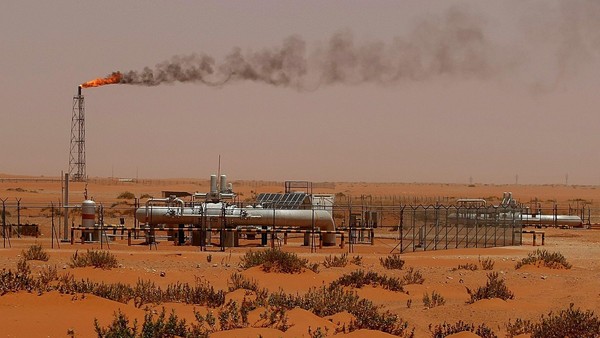
The most important reforms centre on energy, which Saudi Arabia uses wastefully. Much of it comes from gas, a byproduct of drilling that was once impossible to export and was therefore, in Saudi eyes, not worth economising on. The rest comes from oil, which costs only $4 or $5 to pump out of the ground.
True, each barrel burnt inside the kingdom is one that cannot be traded for hard currency, but that hardly mattered when the Saudis were earning more foreign exchange than they spent. It matters more now. Domestic energy consumption eats away more than a quarter of total crude production. Yet big sport utility vehicles still ply the desert highways, guzzling petrol at a cost of just $0.45 a gallon. Energy prices will have to rise to provide an incentive for efficiency and for investment in alternative sources such as renewables. Smart energy subsidies for the most needy would be the route to follow.
Diversification should not stop with energy, Saudi Arabia needs new sources of prosperity, too. The middle class is expanding; more than 1m Saudis have joined private sector employers since 2009, in sectors ranging from manufacturing to education to business services.
In part, this is the result of government efforts to woo businesses from outside the energy sector, for instance by spending tens of billions building new “economic cities”. But more needs to be done. Regulations can still be onerous, and bureaucrats infuriatingly capricious. Some of Saudi Arabia’s new industries, such as aluminium smelting, are themselves energy intensive, representing only half a step away from an economy fuelled by oil.
More women have jobs than three years ago, although the participation rate remains low. Economic necessity is the main impetus for this nascent social change; as living costs rise and as demand expands more women are searching for work. Many have taken up jobs as cashiers, teachers, office assistants and even factory workers.
Businesses seem relatively sanguine despite the fall in oil prices. In part, that is because the kingdom is looking less like an economic outpost and more like a fully fledged centre of commerce with an indigenous financial sector. The stock market is deeper and broader than in 2008, when oil prices plunged to $33 and shares fell 56 per cent to 4,700 — less than half the level of today. Then, there were 128 listed companies; now there are 165. The stock market is set to be opened to foreigners as part of King Salman’s economic liberalisation drive.
For ordinary Saudis, the early months of King Salman’s reign have been a time of hope. A new generation of leaders is working to improve efficiency, deliver better services to citizens and professionalise government institutions. To realise the hopes of his people, however, the king will have to do more than ride out the oil price slump. He must steer his kingdom towards a future in which energy is not its only motive force.
The writer is a Riyadh-based economist
Copyright The Financial Times Limited 2015.
 Brazil Energy Insight
Leave a comment