
Brazil’s Massive Corruption Scandal Is Rocking Its Once-Superstar Economy
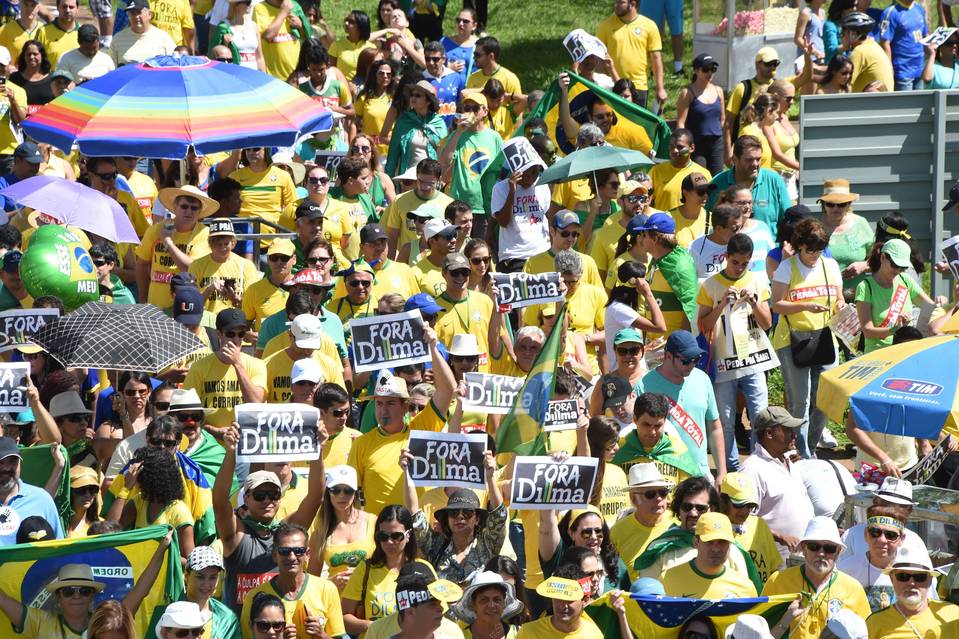
Photographer: Gregg Newton/Bloomberg
By David Biller/Bloomberg
11:35 AM BRT
May 19, 2015
Some Brazilians worry that the biggest corruption scandal in their nation’s history will end in what is known in their country as a pizza party, meaning the accused will find a way to get away with it. While their fate remains to be seen, both the economy and society have been rattled.
Here are some overlooked ways in which Operation Carwash — the probe into bribery and corruption that began with state-run oil company Petrobras only to extend its tentacles much farther — is affecting what was once a developing-world darling.
- Executive unease
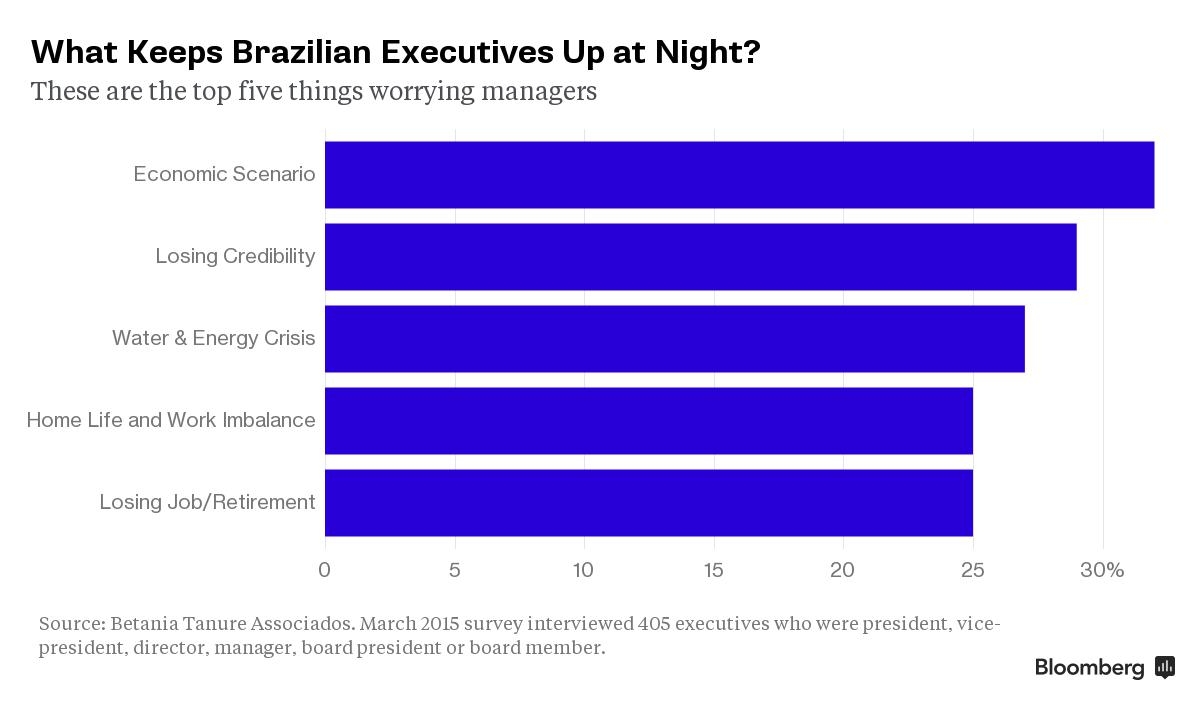
As the investigation expanded, implicated executives were carted off to jail cells and, from that lowly vantage point, saw their names splashed across the broadsheets. That’s taken a toll; among executives surveyed in March, more than a quarter cited loss of credibility among their greatest fears.
- Raising money
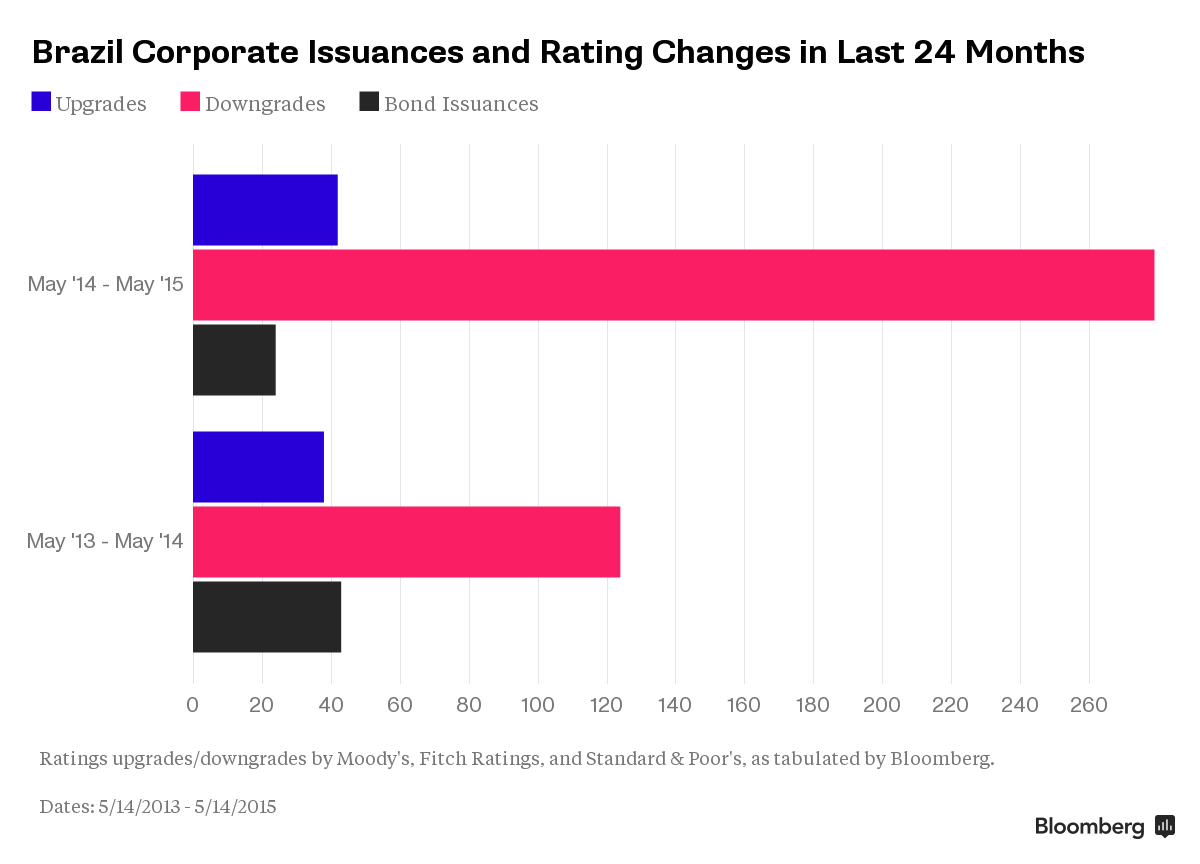
The scandal has halted some payments by Petrobras and has all but frozen new contracting. Companies tied up in the investigation — plus many that aren’t — have suffered downgrades, and appetite for Brazilian corporate bonds has waned
 .
.
- Empty offices
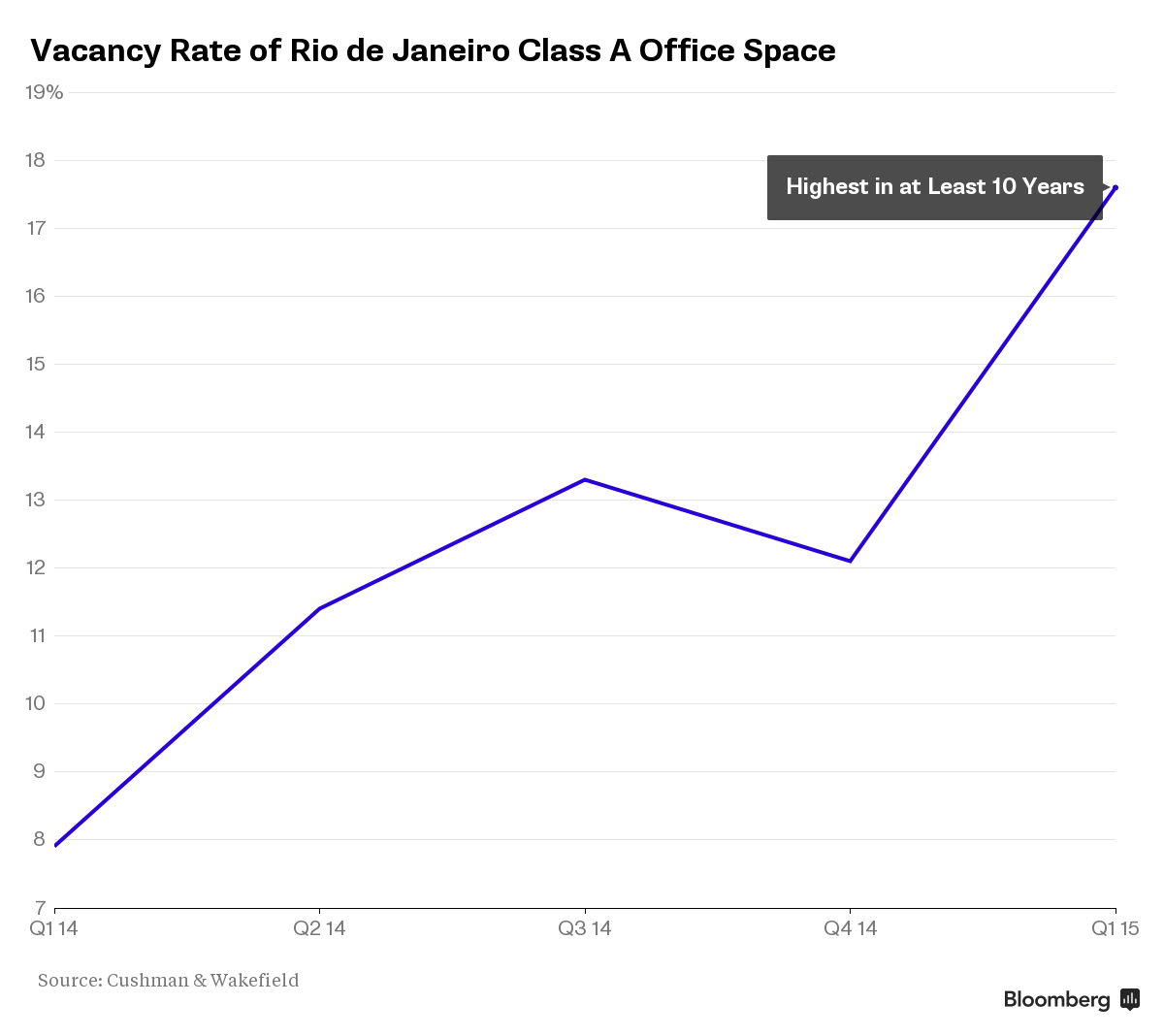
The drawdown in work for Petrobras — an engine of activity in Rio de Janeiro, where it’s based — has contributed to a decline in absorption of Class A office space, according to Thierry Botto, director of office transactions for Rio at commercial real estate broker Cushman & Wakefield. The scandal, along with the tumble in international commodity prices and the broader economic slump, has brought Rio’s vacancy rate to its highest in at least a decade.
- Political hurdles
Members of Rousseff’s coalition allegedly benefited from the corruption, and near-daily revelations plus the economic downturn have driven her approval rating to a record-low 13 percent, according to pollster Datafolha. That political weakness has emboldened opposition lawmakers and stirred insubordination among her coalition. Whereas Rousseff could push measures through Congress with relative ease in her first term, support from the allies of her Workers’ Party has ebbed. She needs them more than ever to pass unpopular austerity measures, aimed at shoring up Brazil’s finances and preventing the country’s credit rating from being downgraded to junk.
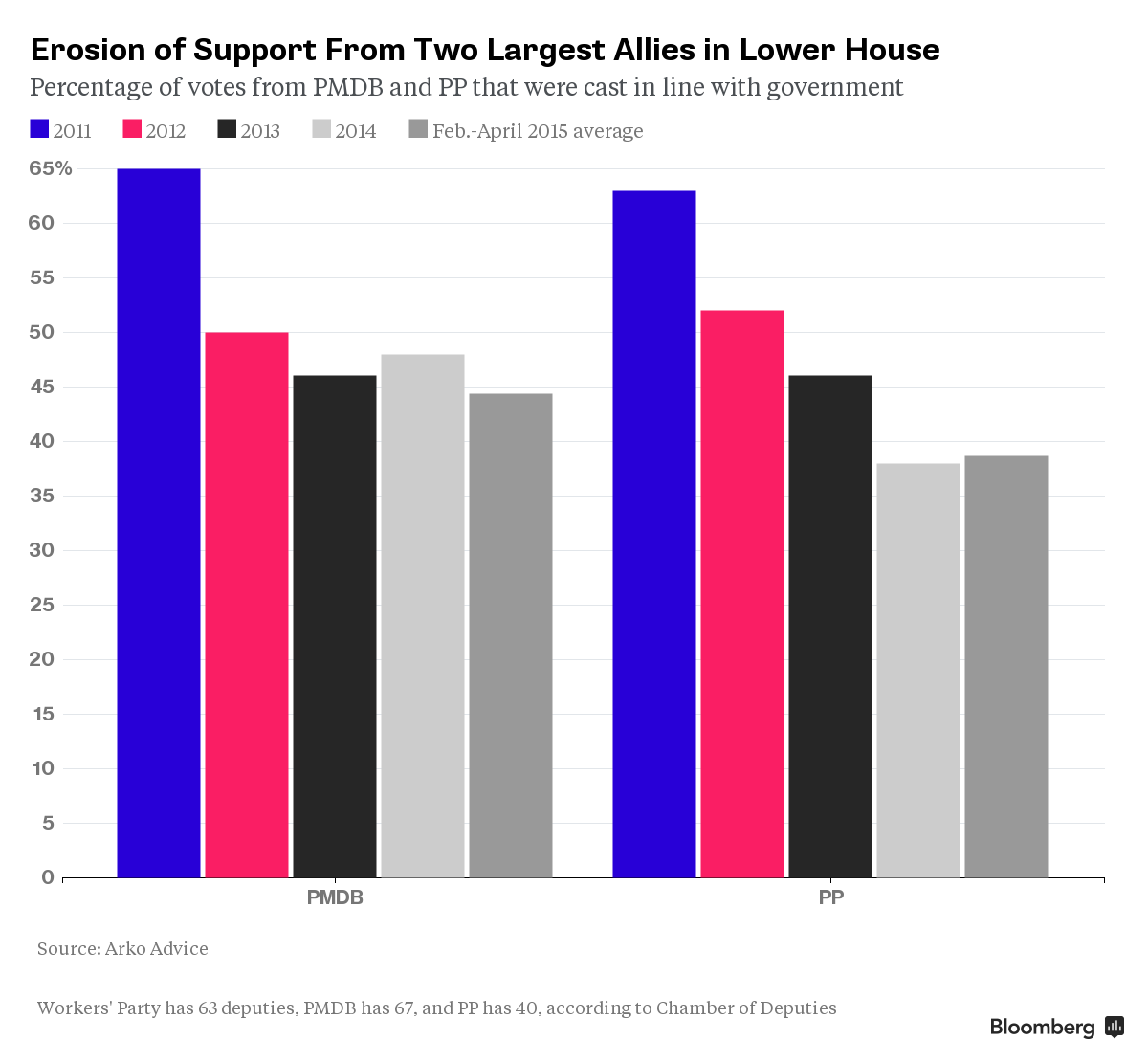
“The government, clearly, at the start of this legislature, lost its base,” Eduardo Cunha, president of the lower house and a member of the PMDB party, told reporters on May 14. “It is trying to rebuild it.”
 Brazil Energy Insight
Leave a comment