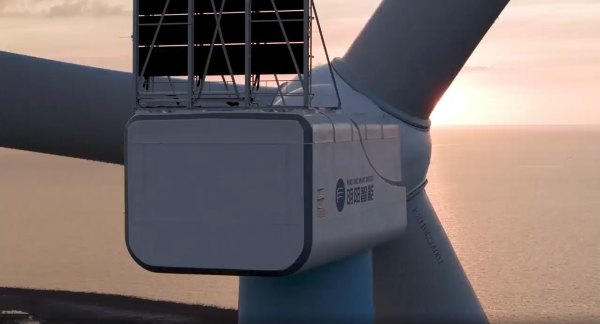
(eixos)The Senai Institute for Innovation in Renewable Energy (ISI-ER) and Chinese wind turbine manufacturer Mingyang signed a cooperation agreement on Thursday (24) for activities related to the offshore wind market in Rio Grande do Norte The intention is to develop local capacity. The state has 25.5 GW in projects with licensing requests from Ibama, out... Continue Reading →
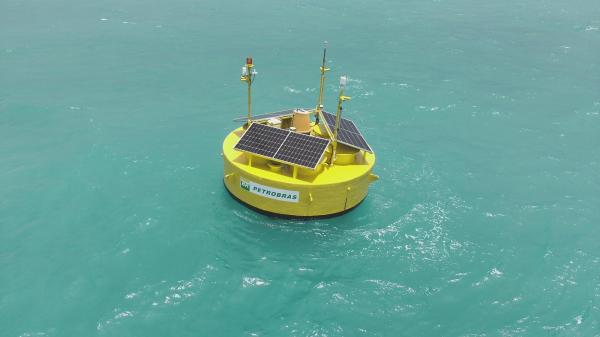
Petrobras will invest BRL 60 million in BRAVO buoy’s phase two
Petrobras will invest BRL 60 million in a new sea wind testing and measuring phase by releasing new BRAVO buoy units to collect, monitor, and assess offshore wind resources. The technology, designed in an unprecedented way for the Brazilian sea, is the outcome of a successful R&D I project by the Petrobras Center for Research,... Continue Reading →
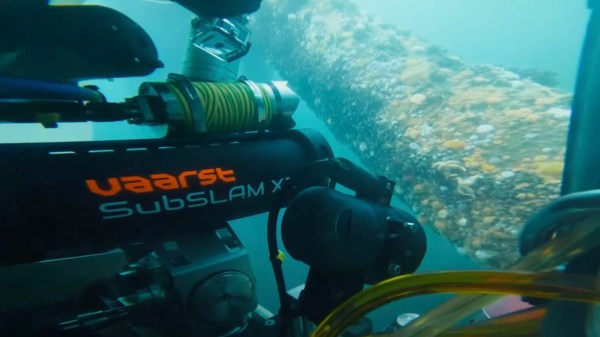
Company launches solution to one of the biggest problems with offshore wind farms
(Interesting Engineering) U.K.-based Beam recently launched AI-driven underwater vehicles capable of carrying out autonomous inspections of wind farms, as Interesting Engineering details. Offshore wind is a cutting-edge green energy source that is rapidly growing globally. The labor-intensive, costly, and lengthy inspections are ripe for innovation. That's where Beam, a deep tech company, is stepping in. Beam CEO Brian... Continue Reading →
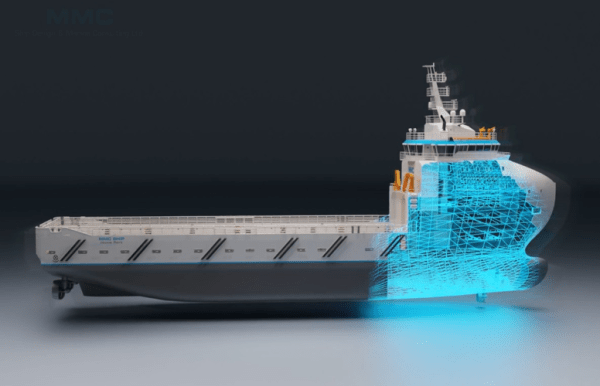
Kongsberg Maritime wins power order for Brazil PSVs
(OM) Kongsberg Maritime will supply equipment for 10 new platform supply vessels (PSVs) under construction by Fujian Mawei Shipbuilding in China for Capital Offshore. Piraeus-based Capital Offshore, which owns and operates more than 100 vessels, has ordered the 95-m-long, MMC 897 CD-design PSVs for operations offshore Brazil. Each will feature an integrated electrical system, propulsion and... Continue Reading →
Portuguese Engineering Firm Launches Offshore Wind Branch
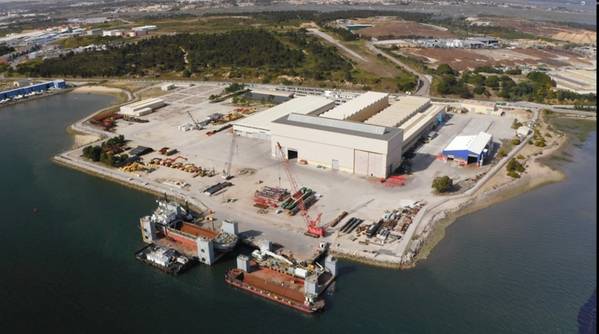
(OE) Portuguese maritime engineering company Etermar has launched Etermar Energia, a new branch dedicated to renewable energy, with a strong focus on offshore wind. Energia Energia has been established with the aim to become a strategic partner for the development of offshore wind projects worldwide. The company is strategically positioned to meet the needs of... Continue Reading →
Lloyd’s Register Publishes Recommended Practices for Floating Offshore Wind Turbine Support Structures
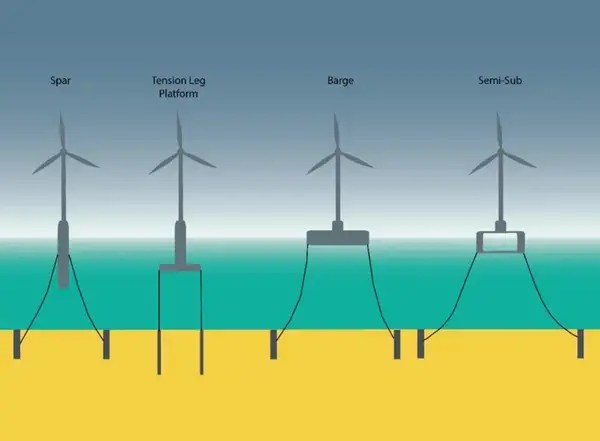
(OE) Lloyd's Register (LR) has published its first Recommended Practice (RP) for Floating Offshore Wind Turbine Support Structures. Developed in alignment with established international codes and standards, including IEC 61400-3-2 and the ISO 19000 series, LR's RP facilitates the development of floating offshore wind turbines (FOWTs). The document offers guidance across the entirety of... Continue Reading →
Subsea Digitalization: Remote Control
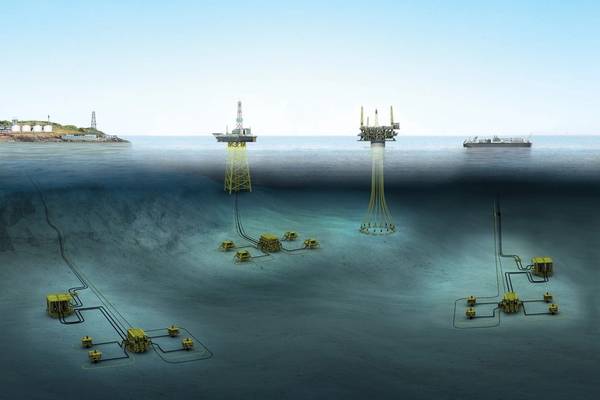
Wendy Laursen, Contributing Writer (OE) The more production infrastructure we push to the seabed, the more data we need to pull back up. With it comes opportunity. Chevron’s landmark 6,500 tons of subsea gas compression infrastructure for Jansz-Io demonstrates the scale of what is being put on the seabed, but there’s a diversity of other infrastructure under... Continue Reading →
Investments in the global FPSO sector grew 50% in 2023 and is expected to continue to rise in 2024
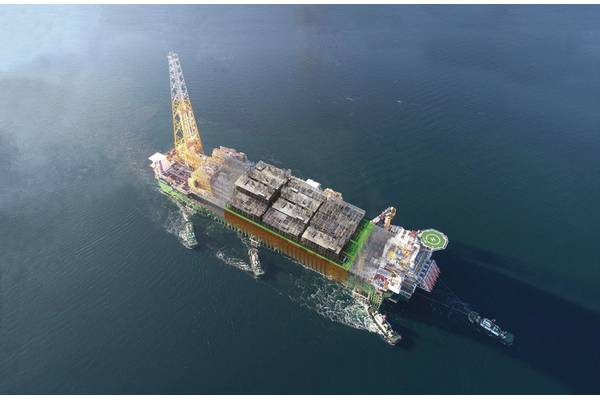
(PN) The FPSO market saw a 50% increase in investments — from US$6 billion to US$9 billion — related to the surface capital of new projects in 2023, a trend that is expected to continue in 2024. The data was presented this week by Rystad Energy. This growth is largely concentrated in South America, especially... Continue Reading →
ABS Takes Charge of Digital Twin Project for Petrobras’ FPSOs
(OE) American Bureau of Shipping (ABS) has secured a contract to provide and test a digital twin solution for real-time condition monitoring for a Petrobras floating production, storage and offloading (FPSO) unit. The ABS solution will provide a digital twin of the asset, and as part of the project, ABS has selected Akselos to deploy... Continue Reading →
Wood Spearheads Industry Initiative to Develop CCUS Guidelines
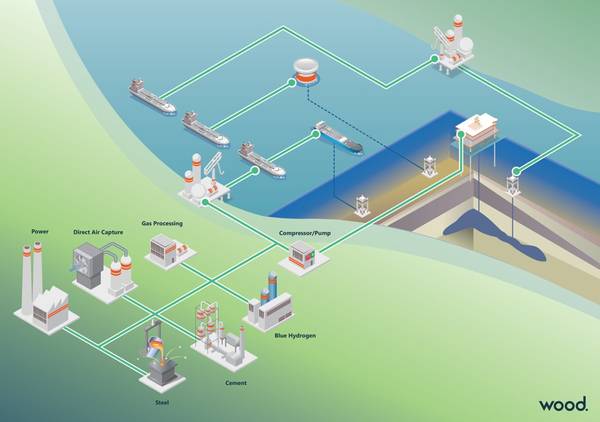
(OE) Consulting and engineering firm Wood has taken charge of the Joint Industry Partnership (JIP) to create industry guidelines for CO2 specifications to accelerate sustainable carbon capture, utilization and storage (CCUS) projects. The guidelines are the first of their kind to focus on the impact of impurities in CO2 across the entire CCUS value chain.... Continue Reading →