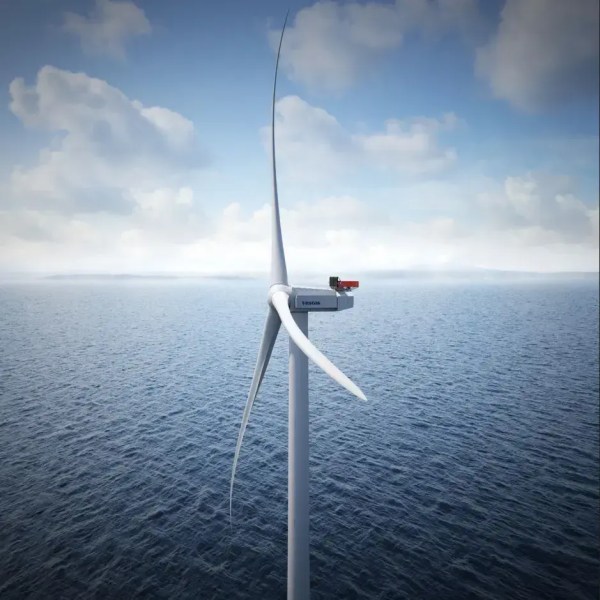
Sept. 8 (offshoreWIND.biz) Standardizing turbine designs and securing predictable project pipelines could reduce the average lifetime cost of electricity from North Sea offshore wind by up to 28 per cent by 2050 in a high-volume scenario, a study led by DNV has shown. DNV led the joint industry project (JIP) with eight companies across the... Continue Reading →
T12 Engineering Gets OWGP Funding for Floating Wind Mooring Tech
Sept. 8 (OE) T12 Engineering has secured funding from the Offshore Wind Growth Partnership (OWGP) to advance its Floating Mooring System (FMS), a technology designed to reduce the cost and complexity of maintaining floating offshore wind turbines. The latest project follows a Front-End Engineering Design (FEED) study supported by Scottish Enterprise in 2025, which confirmed... Continue Reading →
Inside the High-Productivity Rolling Technologies Driving the Offshore Wind Evolution
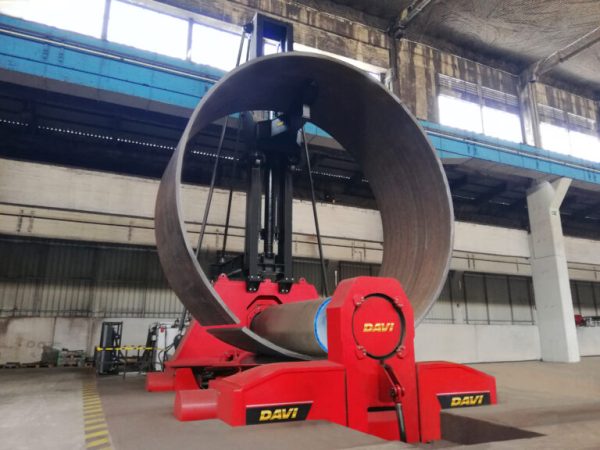
July 14 (offshoreWIND.biz) The offshore wind sector is now standardizing around 15 MW+ mega-turbines, requiring monopile foundations with diameters stretching up to 15 meters (approx. 49 feet) and steel plate thicknesses exceeding 150 mm to 170 mm (approx. 6″ to 6.7″). For fabricators, the core challenge is clear: how to roll plates of this scale... Continue Reading →
Miros secures new shipping contract for novel VTI vessel performance technology
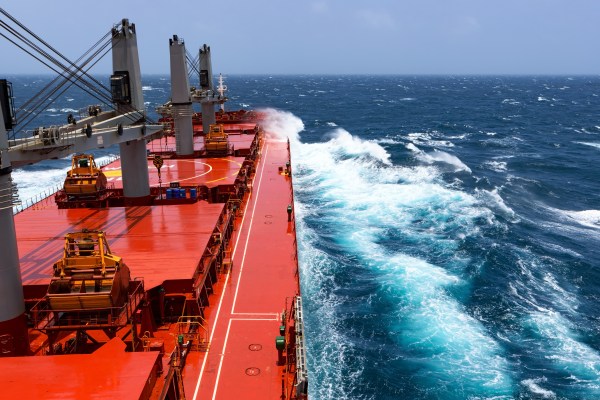
Sept. 9 - Miros, a global leader in real-time ocean insights and maritime innovation, has announced a significant commercial shipping contract for its Vessel Technical Index (VTI) service, marking a bold step forward in transforming vessel performance monitoring across the shipping sector. This third and newly signed agreement, with a prominent yet undisclosed shipping company,... Continue Reading →
BW Ideol Receives DNV Certification for 15+ MW Floating Wind Platform
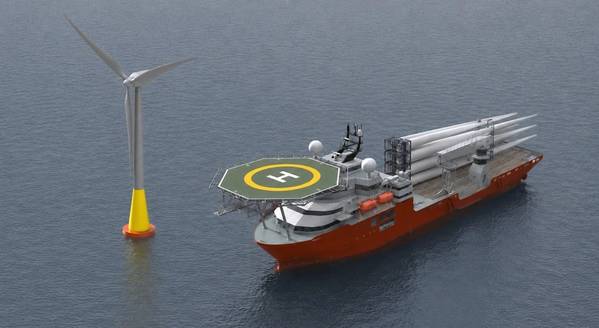
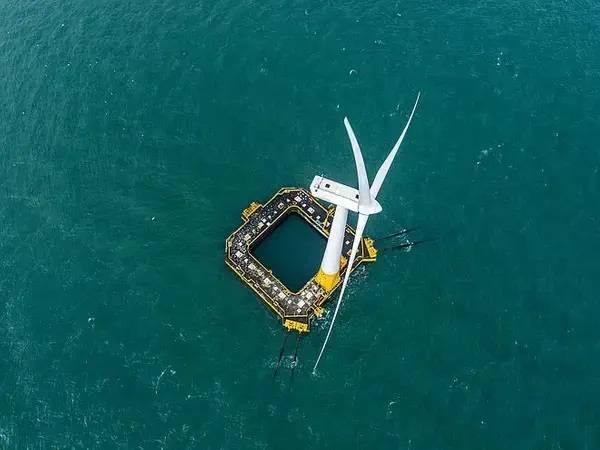
(offshoreWIND.biz) DNV has awarded the basic design certificate to BW Ideol for its floating wind platform that can support wind turbines with an output of 15 MW and beyond. BW Ideol says this certification marks a key milestone in the company’s industrial roadmap and confirms the technical soundness of the platform, which is designed for... Continue Reading →
TechnipFMC signs agreement with Petrobras to develop CO2 resistant hybrid flexible pipe
TechnipFMC has signed a technology agreement with Petrobras to accelerate the development and commercialization of the so-called Hybrid Flexible Pipe (HFP) as a definitive standardized solution to address a well-known problem in the offshore industry: stress corrosion cracking caused by CO₂ (SCC CO₂) in flexible pipelines. The new technology is designed to withstand corrosive environments... Continue Reading →
Norwegian floating offshore wind companies optimistic about the industry’s future
(offshoreWIND.biz) It’s no secret that in 2025, a few stubborn obstacles have slowed the anticipated pace of floating offshore wind development. Some are economic, while others are bureaucratic. But the hurdles only serve to motivate Norwegian wind energy companies, which are tackling industry challenges one innovation at a time with full confidence in floating wind’s... Continue Reading →
Subsea Redesign Underway for Floating Offshore Wind
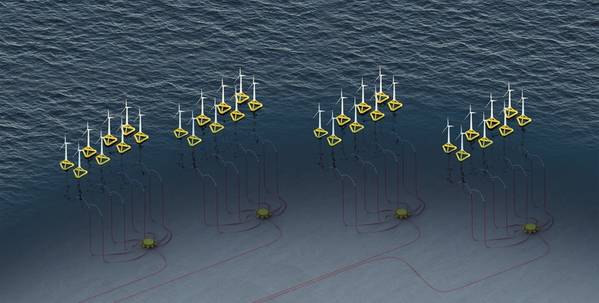
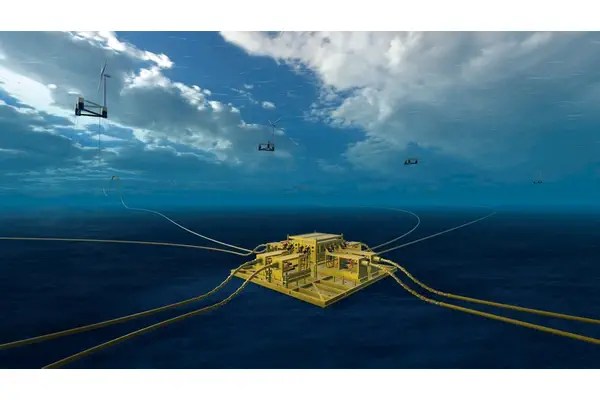
Wendy Laursen, Contributing Writer (OE) The 66kV high voltage wet mate connector currently undergoing technical qualification by Baker Hughes weighs in at around one ton and has over 40 liters of dielectric oil protecting copper cable up to 1,200 square millimeters in diameter. The connector is designed to sit on the seabed at the end of... Continue Reading →
Floating Wind and the Taming of Subsea Spaghetti
Wendy Laursen, Contributing Writer (oedigital.com) Preparing for industrialization, the floating offshore wind industry is tackling its unique mooring and cabling challenges. The idea of keeping floating offshore wind platforms in place using dynamic positioning has been considered. The trouble is: it could take up to 80% of the electricity generated by the turbine to do it.... Continue Reading →
Wood Spearheads Industry Initiative to Develop CCUS Guidelines
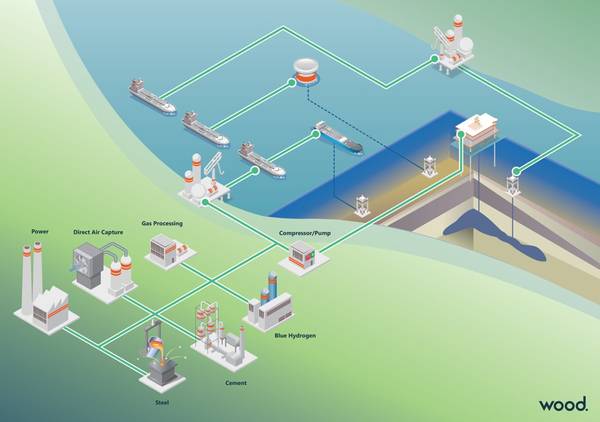
(OE) Consulting and engineering firm Wood has taken charge of the Joint Industry Partnership (JIP) to create industry guidelines for CO2 specifications to accelerate sustainable carbon capture, utilization and storage (CCUS) projects. The guidelines are the first of their kind to focus on the impact of impurities in CO2 across the entire CCUS value chain.... Continue Reading →