Offshore wind capacity could grow 56-fold until 2050, driven by a growing need for decarbonisation and energy security, and decreasing costs. Regarding the latter, bottom-fixed and floating offshore wind levelised costs of energy (LCoE) are forecast to drop by 39 per cent and 84 per cent, respectively, according to the new Energy Transition Outlook from... Continue Reading →
Energy transition to gather pace in Europe while the rest of the world lags, DNV finds
The heightened focus on energy security and the rising cost of energy is reinforcing the difference in decarbonization speed between Europe and the rest of the world, according to the sixth edition of DNV’s Energy Transition Outlook. Europe, which can be regarded as the leader of the energy transition, will double down on renewables and energy... Continue Reading →
Global Floating Offshore Wind Project Pipeline Hits 185GW Mark, RenewableUK Says
(OE) The total pipeline of floating offshore wind projects has more than doubled in the past 12 months in terms of capacity worldwide, from 91GW a year ago to 185GW now, according to a report published by RenewableUK on Tuesday. According to the report, The number of projects has increased globally during that time from... Continue Reading →
ERM Taps Principle Power to Progress FEED for Wind-to-Hydrogen Dolphyn project
(OED) Sustainability consultancy ERM has awarded a contract to Principle Power, a provider of floating foundation solutions for the floating wind industry, to progress the Front-End Engineering Design (FEED) for a Wind-to-Hydrogen Dolphyn 10 MW prototype project off the coast of Aberdeen. The contract was agreed following ERM Dolphyn's receipt of £8.62 million in financing... Continue Reading →
Siemens Gamesa Offshore Wind Turbine Prototype Breaks 24-Hour Output Record
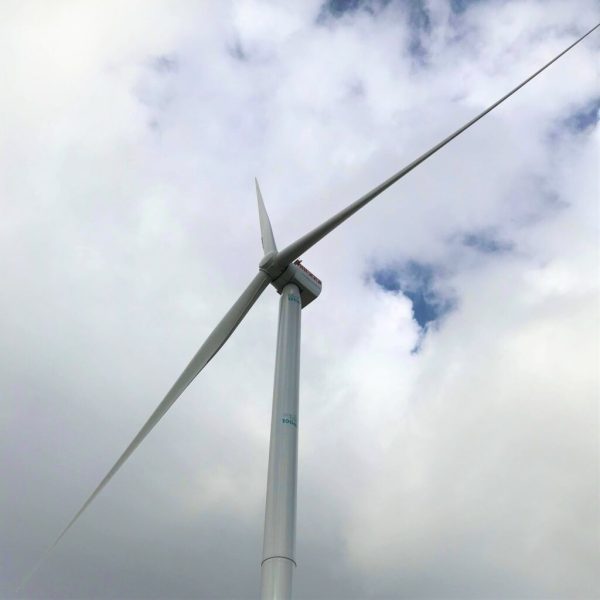
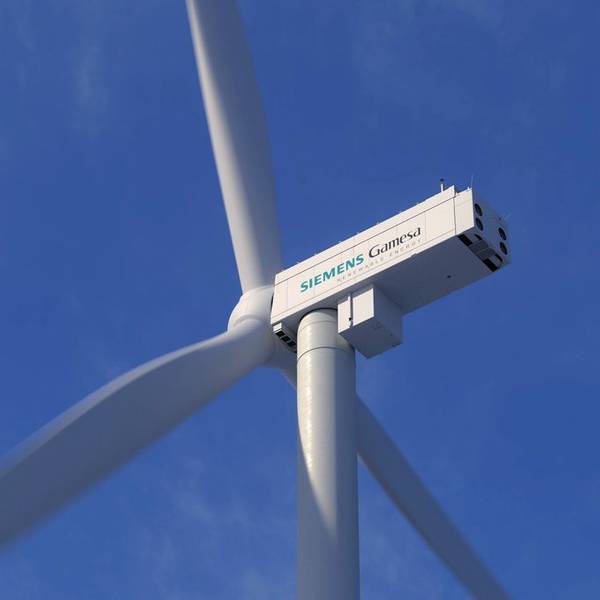
Siemens Gamesa’s SG 14-222 DD offshore wind turbine prototype has produced 359 megawatt-hours (MWh) within a 24-hour time period which the turbine maker said was the most power one turbine has ever produced over this duration. According to Siemens Gamesa, this is enough energy to drive 1.8 million kilometres in a mid-sized electric car. The... Continue Reading →
More than 60% of all clean hydrogen will be transported over long distances by 2050: Hydrogen Council
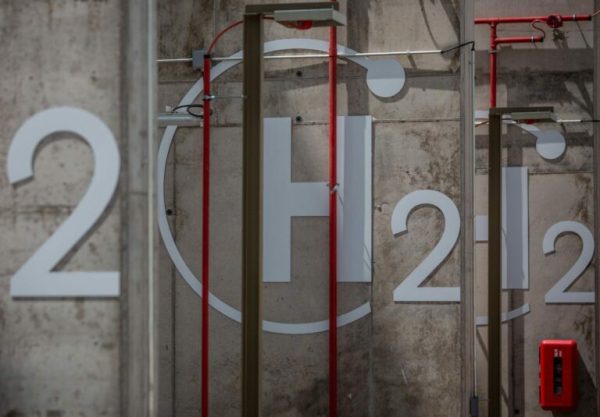
(RE) A vast network of long-distance shipping and pipeline routes will be built by 2050 for the trading of just over 60% of the world’s hydrogen supply, according to a new report by Hydrogen Council and the consulting firm McKinsey. In a “cost-optimal world”, half of the 400 million tonnes of H2 they expect to be... Continue Reading →
Westwood Sees Offshore Wind ‘Skyrocketing’ with 135 GW of New Capacity Up for Grabs
Energy intelligence group Westwood said Tuesday it saw skyrocketing offshore wind growth with 135 GW of new capacity on offer to developers, equivalent to nearly 2.5 times today’s 55 GW market. This is bolstered by new market expansion with over 20 GW of leases up for grabs in countries that have not previously held a... Continue Reading →
Scottish floating wind project completes 2022 offshore survey campaign
(OEM) The geophysical and environmental survey works for the Salamander floating offshore wind project in Scotland have been completed, marking a significant milestone for the 100 MW project that is planned to be progressed through of the Scottish Innovation and Targeted Oil and Gas (INTOG) leasing round. The survey activities commenced on 7 August and... Continue Reading →
California Step Closer to Morro Bay Floating Wind Lease Sale
(OW) The US Bureau of Ocean Energy Management (BOEM) has issued a finding of no significant impacts (FONSI) to environmental resources from potential offshore wind energy leasing activities in the Morro Bay Wind Energy Area (WEA), located off the coast of San Luis Obispo County in central California. On 5 October, the Bureau announced it... Continue Reading →
Floating offshore wind can achieve cost parity with fixed-bottom solutions by early 2030s: Equinor
(U) Norwegian energy giant Equinor believes that floating offshore wind can be cost comparable with bottom-fixed wind arrays within around a decade. “We believe that cost parity with fixed bottom wind can be achieved in the early 2030s, but you really need to go at scale – that’s the way to go with floating wind... Continue Reading →