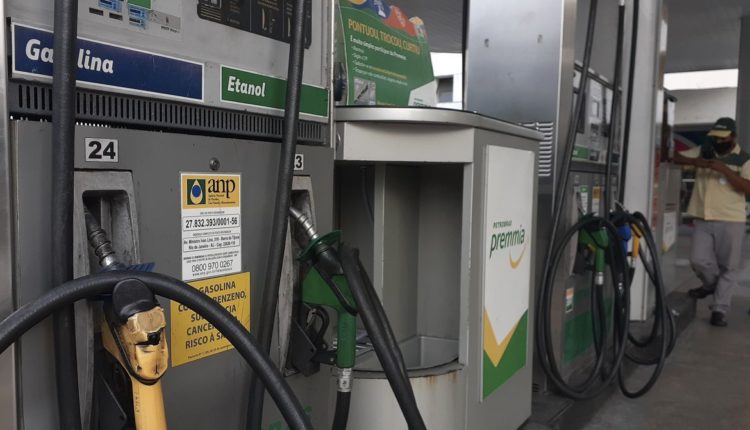
March 9 (Reuters) – The sharp increase in energy prices as the war in the Middle East continues will drive Brazilian sugarcane processors to produce more ethanol and less sugar in the new season that will kick off in the coming weeks, analysts said on Monday.
Raw sugar futures in the ICE exchange jumped more than 3% on Monday following oil futures gains, as the market anticipates a smaller sugar volume coming from Brazil’s center-south, the world’s largest sugar-producing region.
Mills have flexibility to adjust their plants to make more ethanol or sugar, depending on market prices for them. When ethanol gives better returns, they use more cane to produce the biofuel, and less to make sugar. Ethanol’s price is already better, and might get higher.
“More expensive fossil fuels tend to improve ethanol returns, moving mills to put a larger share of the sugarcane towards the production of ethanol,” said Arnaldo Correa, managing partner at Archer Consulting, a sugar industry advisory firm.
“In theory, the current situation should cut sugar’s availability in the market and boost global prices,” he said.
One piece of the puzzle has yet to move, the analysts said. Brazil’s state-controlled oil company, Petrobras, which supplies around 80% of the gasoline in Brazil, has yet to increase local prices, even after oil’s surge.
Brazil’s fuel importers group ABICOM estimates that local gasoline prices are 46% below import parity currently.
“One would think this would be sufficient to move Petrobras (to raise prices), but the problem is Lula wants to keep voter support even though the election is only in October,” said independent sugar analyst Michael McDougall, referring to Brazilian President Luiz Inacio Lula da Silva.
Lula will seek reelection this year and might want to keep fuel prices in check.
Consultancy Datagro projected before the war in Iran that Brazilian mills would cut the amount of sugarcane earmarked for sugar to 48.5% in the new season versus 50.7% last season.
 Brazil Energy Insight
Leave a comment