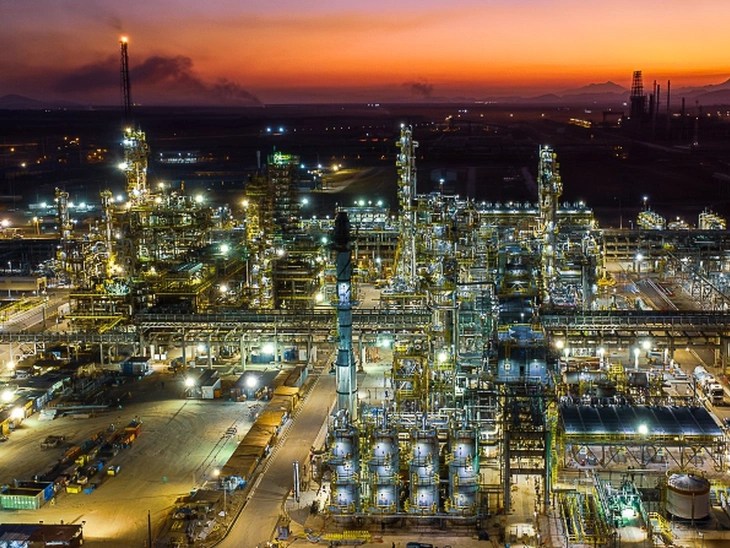
Petróleo Brasileiro S.A. – Petrobras announces that it has begun the procedures for the start-up of the largest natural gas processing unit (UPGN) in Brazil, located in Itaboraí, in the metropolitan region of Rio de Janeiro. On September 9th, the company obtained authorization from the National Agency of Petroleum, Natural Gas and Biofuels (ANP) for the plant’s industrial operation. The unit will receive gas from the pre-salt layer of the Santos Basin, transported through the Route 3 gas pipeline, which will also begin its operations. The Route 3 Integrated Project (PIR3), which includes the UPGN unit, is strategic for Petrobras, as it will enable a higher supply of natural gas to the Brazilian market, with profitability for the company.
At this moment, the final preparation phase for the UPGN unit is being conducted through the calibration of processes and equipment. During this phase, gas is not yet available to the market. Commercial operations are scheduled to begin in the first half of October.
The PIR3 project will enable the flow of up to 18 million m³/day and the processing of up to 21 million m³/day of gas by UPGN, expanding the supply of natural gas to the domestic market and reducing dependency on imports.
Boaventura Energy Complex
Petrobras has altered the name of the Itaboraí Industrial Complex, where the UPGN unit is installed, which is now called the Boaventura Energy Complex, in reference to the São Boaventura Convent, located inside the industrial complex and whose ruins have been preserved by the company. The Complex will be inaugurated this Friday (September 13th).
In addition to the gas pipeline implemented for the flow of natural gas and for UPGN, Petrobras is working on other projects within the Complex, such as two gas-fired thermoelectric plants to participate in auctions planned for the electricity sector, and the company also plans to build other refining units to produce fuels and lubricants.
After the works have been completed at the Complex, the operating units will have a production capacity of approximately 12,000 barrels/day (bpd) for Group II lubricating oils, 75,000 bpd for S-10 diesel and 20,000 bpd for aviation kerosene (QAV-1). The plant will operate in synergy with the Duque de Caxias Refinery (Reduc).
 Brazil Energy Insight
Leave a comment