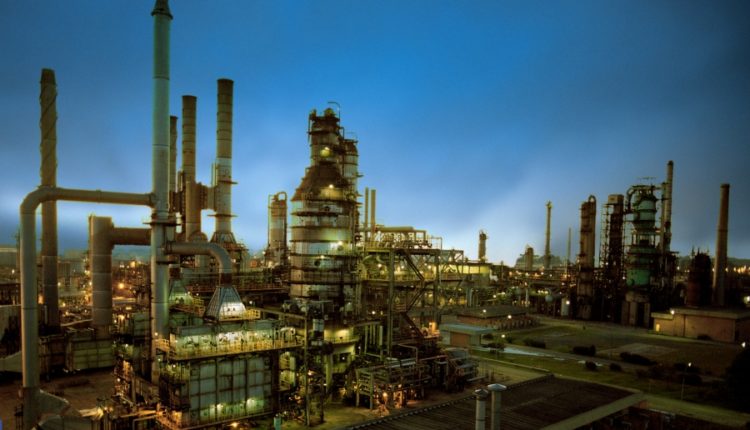
Petróleo Brasileiro S.A. – Petrobras following up on the release disclosed on 06/06/2024, informs that it will invest R$870 million to restart operating activities at the Araucária Nitrogenados S.A (ANSA) fertilizer plant, a wholly-owned subsidiary of the company. The plant, located in the state of Paraná, has been mothballed since 2020 and had its reopening approved in June 2024. Production is expected to begin in the second half of 2025.
The studies that preceded the decision to resume the unit’s activities proved the technical and economic viability of the investment. The project is in line with the company’s strategic guidelines approved last year, under which investment in fertilizer production once again became part of Petrobras’ portfolio, according to the Strategic Plan 2024-2028.
The plant is currently in the process of contracting services and acquiring materials, with local content expected to exceed 85%. Once this stage is complete, the service and equipment maintenance contracts will be mobilized to begin operations.
Former employees of the plant have now resumed their work activities, following an agreement proposed by the Labor Prosecutor’s Office and ratified by the Superior Labor Court (TST) in June.
Located next to the Presidente Getúlio Vargas Refinery – REPAR, ANSA has a production capacity of 720,000 tons/year for urea, which corresponds to 8% of the market; 475,000 tons/year for ammonia, and 450,000 m³/year of Automotive Liquid Reducing Agent (ARLA 32).
Investments in REPAR
Petrobras plans to invest R$3.2 billion, as included in the Strategic Plan 2024-2028 horizon, for maintenance stoppages and investment projects at REPAR. Among the projects is the implementation of a new hydrotreating unit (HDT), which aims to increase the production of S-10 diesel, as well as projects to improve energy efficiency, aiming to reduce the carbon footprint of operations and increase the distillation capacity, to increase the production of fuels and meet market demands.
REPAR is a pioneer in the production of Diesel R, a fuel produced through co-processing oil products (the mineral part) with renewable raw materials, such as soybean oil. This new fuel is a sustainable alternative in the diesel market, as the reduction in emissions associated with the renewable portion is at least 60% compared to mineral diesel and can be even greater depending on the renewable raw material used.
 Brazil Energy Insight
Leave a comment